The Midnight Mystery 🌙🔍 | Learn English with a Detective Story
Where were you last night at 8:00 PM? Do you have an alibi? 🕵️♂️🔦
📝 Transcript
Click any sentence to jump to that moment in the video. Use the 🔊 button to hear the pronunciation.
Hi. Hello, police investigators. Welcome to show number 28. I am police investigator Anna.
Yes, it feels very dark here suddenly. Why are we speaking quietly?
A proof of being elsewhere. Today's job is very important. We are solving the mystery of English grammar.
Right? And most important, you must know how to tell a believable story about what you were doing exactly when the crime happened.
Not all bad people are the same. We have special names for special bad actions.
📚 Recommended for this lesson
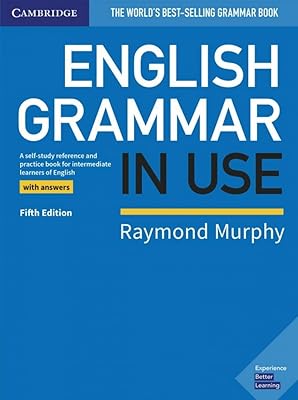
English Grammar in Use
Noticed grammar patterns in this episode? Master them with the world's best-selling grammar book.
Check Price on AmazonEnjoying this lesson? Get free episodes every week!
📖 Vocabulary
Key vocabulary from this episode with part of speech, meaning, and example sentences. Practice along with the video above.
a person who investigates crimes and finds who did them
The detective found clues at the crime scene.
a person who the police think might be guilty of a crime
The police questioned the suspect about the missing money.
proof that you were somewhere else when a crime happened
He had a strong alibi; he was at home sleeping.
a person who steals things secretly, often without violence
A thief took my bicycle when I wasn't looking.
a person who steals using violence or threats, face-to-face
The bank robber shouted at everyone to put their hands up.
a person who breaks into a building to steal things
A burglar entered the house through the window last night.
a thief who steals from pockets or bags unnoticed
Be careful of pickpockets in crowded places.
the final decision made by a jury or judge in a court case
The jury's verdict was 'not guilty'.
| Word | Type | Meaning | Example |
|---|---|---|---|
| detective | noun | a person who investigates crimes and finds who did them | The detective found clues at the crime scene. |
| suspect | noun | a person who the police think might be guilty of a crime | The police questioned the suspect about the missing money. |
| alibi | noun | proof that you were somewhere else when a crime happened | He had a strong alibi; he was at home sleeping. |
| thief | noun | a person who steals things secretly, often without violence | A thief took my bicycle when I wasn't looking. |
| robber | noun | a person who steals using violence or threats, face-to-face | The bank robber shouted at everyone to put their hands up. |
| burglar | noun | a person who breaks into a building to steal things | A burglar entered the house through the window last night. |
| pickpocket | noun | a thief who steals from pockets or bags unnoticed | Be careful of pickpockets in crowded places. |
| judge | noun | an official who decides cases and rules in court | The judge listened to both lawyers. |
| jury | noun | a group who hear evidence in court and decide guilt | The jury decided the man was innocent. |
| verdict | noun | the final decision made by a jury or judge in a court case | The jury's verdict was 'not guilty'. |
✏️ Exercises
Test your understanding with fill-in-the-blank and multiple choice questions. Click "Check" to see the answer.
The police think he committed the crime, so he is the main ___.
She said she was at the library when the theft happened. That's her ___.
A ___ broke into my house last night and took my TV.
The ___ listened to all the evidence and then made their decision.
The ___ decided that the man was guilty and gave him a punishment.
Which word describes someone who steals secretly, often without violence?
If someone steals your wallet from your bag without you noticing, they are a ___.
What is the correct past continuous form for 'I (eat) dinner when the phone (ring)'?
The police caught the man. He was found ___ by the jury.
Which sentence correctly uses the past continuous tense?
📚 Recommended Study Materials
English Grammar in Use
Raymond Murphy
The world's best-selling grammar book. Clear explanations with practice exercises for every unit.
Check Price on Amazon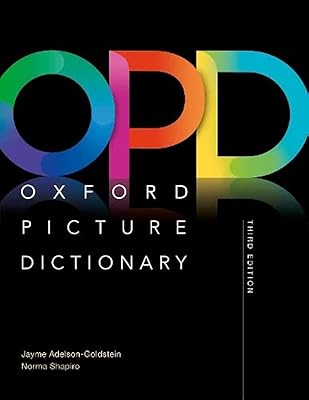
Oxford Picture Dictionary
3rd Edition
4,000+ words with full-color illustrations. Perfect for visual learners building everyday vocabulary.
Check Price on Amazon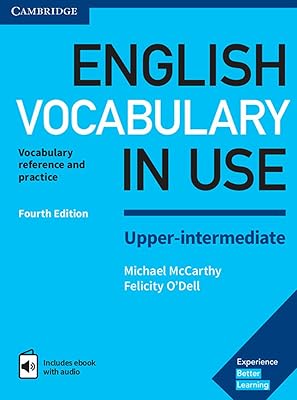
English Vocabulary in Use
McCarthy & O'Dell
Learn and practise the words you need at every level, from elementary to advanced.
Check Price on Amazon
Comments