"Turn Left" or "Go Straight"? 🚦 | Master English Imperatives (Directions)
Are you lost? Do you know how to ask
📝 Transcript
Click any sentence to jump to that moment in the video. Use the 🔊 button to hear the pronunciation.
Hello everyone. Welcome to show number 17. I am Anna and I am Lucas. Today we will talk about getting lost.
But today, we will try to give you some help with directions.
This is a very detailed look at how people move around.
We are like guides. >> I like that. A tour with a guide.
It will be useful, but also calm. It's a trip without stress.
📚 Recommended for this lesson
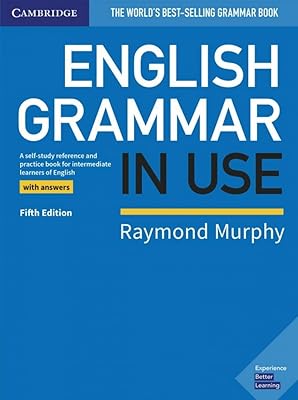
English Grammar in Use
Noticed grammar patterns in this episode? Master them with the world's best-selling grammar book.
Check Price on AmazonEnjoying this lesson? Get free episodes every week!
📖 Vocabulary
Key vocabulary from this episode with part of speech, meaning, and example sentences. Practice along with the video above.
a tool that shows directions (north, south, east, west)
A compass can help you find your way in the forest.
a detailed study or discussion of a topic
The podcast takes a deep dive into the history of transport.
to find your way from one place to another
It's hard to navigate a new city without a map or GPS.
understanding where things are around you
Good spatial awareness helps a driver avoid accidents.
a verb form used for commands or instructions
In English, 'Stop!' is a strong imperative.
the journey you make to work or school every day
My commute to work takes about 30 minutes by bus.
a quicker way to get to a place
He tried to take a shortcut through the park, but it was closed.
to continue moving forward without turning
Go straight on until you see the big tree.
| Word | Type | Meaning | Example |
|---|---|---|---|
| get lost | phrase | not know where you are | We often get lost when we explore new cities without a map. |
| compass | noun | a tool that shows directions (north, south, east, west) | A compass can help you find your way in the forest. |
| deep dive | phrase | a detailed study or discussion of a topic | The podcast takes a deep dive into the history of transport. |
| navigate | verb | to find your way from one place to another | It's hard to navigate a new city without a map or GPS. |
| spatial awareness | phrase | understanding where things are around you | Good spatial awareness helps a driver avoid accidents. |
| imperative | noun | a verb form used for commands or instructions | In English, 'Stop!' is a strong imperative. |
| commute | noun | the journey you make to work or school every day | My commute to work takes about 30 minutes by bus. |
| shortcut | noun | a quicker way to get to a place | He tried to take a shortcut through the park, but it was closed. |
| opposite | preposition | on the other side of something, facing it | The bank is opposite the post office. |
| go straight on | phrase | to continue moving forward without turning | Go straight on until you see the big tree. |
✏️ Exercises
Test your understanding with fill-in-the-blank and multiple choice questions. Click "Check" to see the answer.
We often ___ when we explore new cities without a map.
What does "deep dive" mean in the podcast?
You need a map to ___ through the big city.
Why is "Excuse me" important when asking for directions?
"Turn left" is an example of an ___.
What is a "commute"?
The taxi driver tried to take a ___, but he got lost.
According to the podcast, what is a benefit of taking the train compared to driving?
The park is ___ the school, so they are facing each other.
What is one benefit of walking mentioned in the podcast?
📚 Recommended Study Materials
English Grammar in Use
Raymond Murphy
The world's best-selling grammar book. Clear explanations with practice exercises for every unit.
Check Price on Amazon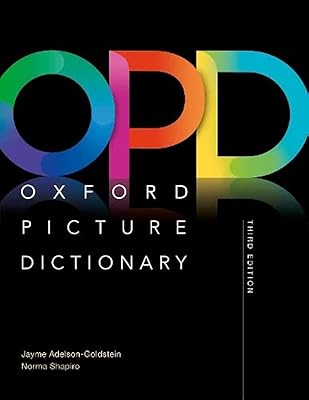
Oxford Picture Dictionary
3rd Edition
4,000+ words with full-color illustrations. Perfect for visual learners building everyday vocabulary.
Check Price on Amazon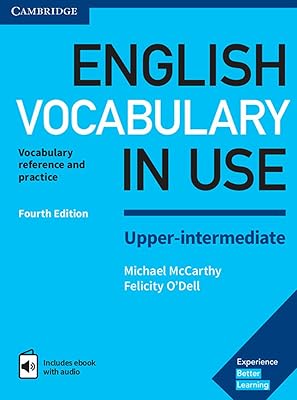
English Vocabulary in Use
McCarthy & O'Dell
Learn and practise the words you need at every level, from elementary to advanced.
Check Price on Amazon
Comments