Das große Missverständnis (The Big Misunderstanding) 👂❓ | Learn German with a Story
Can you decide? Either we go to the cinema or we stay home! 🎬🏠
📝 Transcript
Click any sentence to jump to that moment in the video. Use the 🔊 button to hear the pronunciation.
Do you know that feeling? You're sitting on the sofa in the evening, the Netflix home screen is flickering in front of you, and you're scrolling.
Oh yes, and you've been scrolling for, I don't know, 20 minutes. You literally have hundreds of options, but nothing feels right.
Total paralysis. Exactly. That's this feeling that's so perfectly described in the documents you sent us as "the agony of choice." And then I wondered, how do you actually navigate that linguistically? How do you express precisely in German whether you
have to choose between A and B, want both, or perhaps even reject everything in the end? That's a fantastic question because it goes far beyond pure grammar. The German language has tools for this, which I like to call, well, I call them psychological signposts.
Psychological signposts. Yes, exactly. These are the two-part connectors. They're not just sentence components; they reveal an incredible amount about the speaker's attitude. And that's exactly what we're going to look at today.
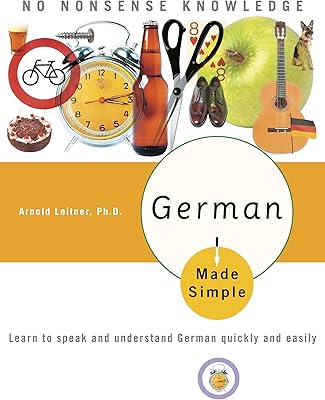
📚 Recommended for this lesson
German Made Simple
Want to understand the grammar behind this episode? This all-in-one guide breaks it down.
Check Price on AmazonEnjoying this lesson? Get free episodes every week!
📖 Vocabulary
Key vocabulary from this episode with part of speech, meaning, and example sentences. Practice along with the video above.
| Word | Type | Meaning | Example |
|---|---|---|---|
| das Missverständnis | Nomen (n.) | misunderstanding | Das war ein großes Missverständnis. |
| sich entscheiden | Verb (reflexiv) | to decide | Ich muss mich zwischen zwei Optionen entscheiden. |
| die Wahl | Nomen (f.) | choice | Die Wahl fällt mir schwer. |
| die Möglichkeit | Nomen (f.) | possibility, option | Es gibt viele Möglichkeiten. |
| unentschlossen | Adjektiv | undecided, irresolute | Er ist oft unentschlossen. |
| ablehnen | Verb | to reject, to decline | Ich muss das Angebot leider ablehnen. |
| der Druck | Nomen (m.) | pressure | Ich stehe unter großem Druck. |
| die Aussage | Nomen (f.) | statement, assertion | Seine Aussage war sehr klar. |
| die Lähmung | Nomen (f.) | paralysis (often figurative) | Manchmal führt zu viel Auswahl zu einer Lähmung. |
✏️ Exercises
Test your understanding with fill-in-the-blank and multiple choice questions. Click "Check" to see the answer.
Wir können ___ ins Kino ___ ins Theater gehen.
Was bedeutet 'unentschlossen'?
Ich spreche ___ Deutsch ___ Englisch.
Welcher Konnektor wird verwendet, um eine Erwartung zu übertreffen?
Er ist ___ reich, ___ auch schön.
Was ist der häufigste Fehler bei 'weder...noch'?
Ich habe ___ Zeit ___ Geld.
Was kann 'entweder...oder' manchmal implizieren?
Die ___ zwischen A und B ist schwierig.
Wenn man sagt 'Ich spreche sowohl Deutsch als auch Englisch', was wird betont?
📚 Recommended Study Materials
German Made Simple
Eugene Jackson
A complete beginner's guide covering grammar, vocabulary, and conversation essentials.
Check Price on Amazon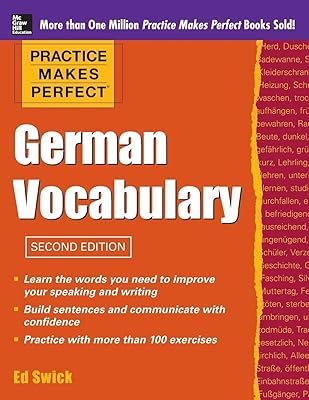
Practice Makes Perfect: German Vocabulary
Ed Swick
Targeted exercises and drills for mastering essential German words and phrases.
Check Price on Amazon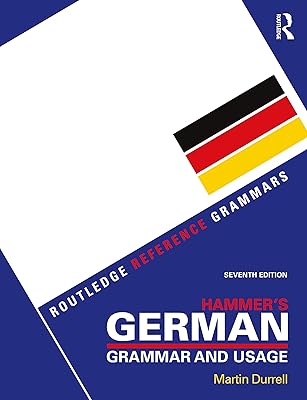
Hammer's German Grammar and Usage
Martin Durrell
The definitive reference grammar for serious learners. Covers all levels from A2 to C2.
Check Price on Amazon
Comments