How to Learn German: A Comprehensive Guide for Beginners
By LangPodTools Editorial Team, Language Learning Content Specialist

Learn German: The Complete Beginner’s Guide to Learning German FAST
Learning a new language can be an exhilarating and rewarding experience, especially when it’s a language as rich and influential as German. Whether you're planning a trip to Berlin, looking to expand your business, or simply fascinated by German culture, this guide will help you get started on your German learning journey.
Why Learn the German Language?
There are countless reasons why you should consider learning German. For starters, it’s the most widely spoken language in the European Union, with over 100 million native speakers. German is also the language of some of the world’s most renowned philosophers, scientists, and musicians, making it a gateway to a wealth of knowledge.
1. German is a Top Business Language
Germany has the largest economy in the EU and is a key player in global trade. Knowing German can open up job opportunities and boost your career, especially in fields like engineering, technology, and international relations.
2. Cultural Enrichment
From the works of Goethe to the music of Beethoven, German culture is incredibly diverse and influential. By learning German, you can delve deeper into this rich cultural heritage.
3. Travel and Tourism
Germany, Austria, and Switzerland are beautiful countries with a lot to offer. Knowing the language will make your travel experiences more authentic and enjoyable.
4. Educational Opportunities
Many of the world’s top universities offer courses and programs in German. Additionally, German is a popular language for academic research and publications.
5. Personal Development
Learning a new language is a fantastic way to challenge yourself and improve cognitive skills. German’s structured grammar and logical word formation can help you become a more disciplined thinker.
How to Learn the German Language?
The key to learning German is to create a balanced study plan that includes a variety of methods. Here are some effective strategies to get you started:
1. Use Language Learning Apps
Language learning apps like Duolingo and Babbel are great for beginners. They offer interactive lessons, vocabulary practice, and grammar exercises that can be done on the go. Plus, they’re often free or low-cost, making them accessible to everyone.
2. Watch German Media
Watching movies, TV shows, and listening to podcasts in German can significantly improve your listening and speaking skills. Check out our list of 25 Best German Movies for Language Learners to get started.
3. Practice with Native Speakers
Language exchange platforms like Tandem and HelloTalk connect you with native German speakers who are learning your language. This is a fantastic way to practice speaking and get real-time feedback.
4. Read German Books and News
Reading is a powerful way to expand your vocabulary and improve your grammar. Start with children’s books and gradually move to more complex material. You can also read German news articles to stay informed and practice reading.
5. Take Online Courses
There are many online courses available that offer structured learning and support. Websites like DW Learn German provide comprehensive resources, including videos and exercises.
German Phrases and Daily Expressions
To get you started, here are some essential German phrases and expressions that you can use in daily life:
| Phrase | German | Pronunciation |
|---|---|---|
| Hello | Hallo | HAH-low |
| Goodbye | Auf Wiedersehen | OWF VEE-der-zay-en |
| Please | Bitte | BIT-te |
| Thank you | Danke | Dahn-keh |
| Yes | Ja | Yah |
| No | Nein | NINE |
| Excuse me | Entschuldigung | EN-shul-di-goong |
| How are you? | Wie geht es dir? | Vee GAYT ehs DEAR? |
| What is your name? | Wie heißt du? | Vee HYST doo? |
| Nice to meet you | Schön dich kennenzulernen | SHERN Dee-CH KEHN-en-tsoo-lern-en |
Funny German Words
German has a reputation for some of the funniest and most creative words. Here are a few to brighten your day:
| Word | Meaning |
|---|---|
| Schadenfreude | Taking pleasure in someone else's misfortune |
| Kummerspeck | Excess weight gained from emotional overeating |
| Ohrwurm | A song that gets stuck in your head |
| Fernweh | A longing for far-off places |
| Backpfeife | The desire to slap someone |
German Idioms
Idioms can add depth and humor to your language skills. Here are some common German idioms:
| Idiom | Meaning |
|---|---|
| Das ist nicht mein Bier. | That’s not my problem. |
| Ich verstehe nur Bahnhof. | I don’t understand a thing. |
| Den Teufel wird es tun. | It’s not going to happen. |
| Ich bin am Ende meines Lateins. | I’m at the end of my rope. |
| Jemandem die Hucke voll machen. | To really get on someone’s nerves. |
German Slang
Slang is an integral part of any language and can make your German sound more natural. Here are some common slang terms:
| Slang | Meaning |
|---|---|
| Alter | Friend (informal) |
| Geil | Great or cool (informal) |
| Krass | Amazing or intense (informal) |
| Klamotten | Clothes (informal) |
| Abhauen | To leave quickly (informal) |
German Culture
Understanding German culture is crucial for learning the language effectively. Here are some cultural highlights to get you started:
1. Festivals and Celebrations
Germany is known for its vibrant festivals, such as Oktoberfest. These events are not just about beer and music; they also celebrate German traditions and community.
2. Cuisine
German food is hearty and delicious. From sausages and sauerkraut to pretzels and strudel, there’s a lot to explore. Check out our article on German Food for a taste of the cuisine.
3. Literature and Philosophy
German literature and philosophy have had a profound impact on the world. Authors like Goethe, Kafka, and Nietzsche, and philosophers like Kant and Hegel, are essential reading.
4. Music and Arts
Germany has a rich musical heritage, with composers like Bach, Beethoven, and Wagner still celebrated today. The country is also home to many influential artists and movements.
German Language Mistakes to Avoid
As a beginner, it’s easy to make mistakes. Here are some common ones to watch out for:
1. Confusing Cases
German has four cases: nominative, accusative, dative, and genitive. Each case affects the article, noun, and adjective in a sentence. Confusing them can change the meaning of your sentences.
2. Incorrect Word Order
German word order can be tricky, especially when dealing with complex sentences. Make sure to practice sentence structure to avoid sounding awkward.
3. Mispronunciation
German has many unique sounds that can be challenging for non-native speakers. Focus on pronunciation early to avoid bad habits.
4. Overusing Anglicisms
While German has adopted many English words, overusing them can make your German sound unnatural. Try to use German equivalents whenever possible.
Free Apps to Learn the German Language
There are several free apps that can help you learn German. Here are some of the best:
1. Duolingo
Duolingo is a popular language learning app that gamifies the learning process. It’s great for beginners and offers a wide range of exercises.
2. Memrise
Memrise focuses on vocabulary building and uses spaced repetition to help you remember new words. It’s particularly useful for memorizing key phrases and idioms.
3. Babbel
Babbel offers more structured lessons and is suitable for all levels. It covers grammar, pronunciation, and conversation skills.
Speed Up Learning the German Language
Learning a new language can be time-consuming, but there are ways to accelerate your progress:
1. Set Clear Goals
Having specific, achievable goals can keep you motivated and focused. Whether it’s preparing for a trip or passing a language exam, know what you’re working towards.
2. Create a Study Schedule
Consistency is key. Set aside dedicated time each day for German study, even if it’s just 15-20 minutes. This will help you build a routine and stay on track.
3. Immerse Yourself
The more you immerse yourself in the language, the faster you’ll learn. Listen to German music, watch German TV, and try to think in German as much as possible.
4. Use Flashcards
Flashcards are a powerful tool for vocabulary building. Apps like Anki and Quizlet allow you to create custom flashcards and practice on the go.
5. Join a Language Community
Participating in language communities can provide support and motivation. Platforms like Reddit’s How to Learn German and language learning forums are great places to connect with other learners.
What Can You Find Here?
This guide is packed with practical tips and resources to help you learn German. Whether you’re a complete beginner or looking to improve your existing skills, you’ll find something useful here.
Did You Know?
- Germany has the highest number of bookstores per capita in the world, making it a paradise for book lovers.
- The German language has over 1,000 words for different types of sausages.
- German is one of the few languages that capitalizes all nouns.
Ready to Start?
Learning German is an exciting journey, and with the right tools and strategies, you can make significant progress in no time. Whether you’re using apps, watching movies, or practicing with native speakers, the most important thing is to enjoy the process.
If you’re ready to dive in, check out our 9 Free Tools to Learn German Online for more resources and our Essential German Words Every Learner Needs for a vocabulary boost.
Frequently Asked Questions
How do I learn German by myself?▾
How do you say 1, 2, 3, 4, 5, 6, 7, 8 in German?▾
What is the best app to learn German?▾
How can I practice speaking German?▾
Are there any good free resources to learn German?▾
Recommended Study Material
The Complete German Grammar Cheat Sheet
A1–B2 Reference PDF
27 pages of color-coded tables, mnemonics, and shortcuts — every rule you need from Cases to Subjunctive.
Recommended German Books

Short Stories in German for Beginners
Olly Richards
Learn German with 8 captivating stories. Perfect for A2-B1 learners who want to build vocabulary naturally.
Check Price on Amazon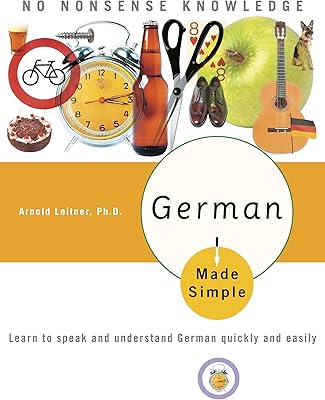
German Made Simple
Eugene Jackson
A complete beginner's guide covering grammar, vocabulary, and conversation essentials.
Check Price on Amazon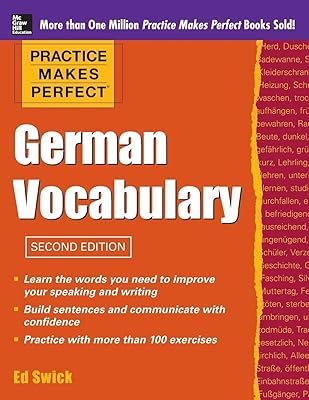
Practice Makes Perfect: German Vocabulary
Ed Swick
Targeted exercises and drills for mastering essential German words and phrases.
Check Price on AmazonAs an Amazon Associate, we earn from qualifying purchases.