How to Say Thank You in Japanese: A Complete Guide
By LangPodTools Editorial Team, Language Learning Content Specialist

Picture this: your Japanese host just handed you a wrapped gift, and the only word in your brain is "arigatou." Meanwhile, the podcast host in your earbuds just rattled off five different ways to say thanks — and you're still stuck on the first one. That gap between "knowing a word" and "using it correctly" is exactly what trips up most language learners.
Quick Answer: The most common way to say thank you in Japanese is arigatou gozaimasu (ありがとうございます), which works in almost any polite situation. Casual friends use just arigatou (ありがとう), while doumo arigatou gozaimasu adds extra emphasis for bigger favors. As of July 2026, this remains the safest default phrase for travelers, students, and business visitors alike.
How Do You Say Thank You in Japanese? The Basic Answer
The short answer: say "arigatou gozaimasu" and you'll be understood almost everywhere. It's polite, neutral, and works with strangers, coworkers, and shopkeepers. You don't need ten variations memorized on day one — you need this one, said correctly.
Here's the breakdown of the core word:
- ありがとう (arigatou) — casual, used with friends and family
- ありがとうございます (arigatou gozaimasu) — polite, the everyday default
- どうもありがとうございます (doumo arigatou gozaimasu) — extra polite, for bigger favors
The word "arigatou" actually comes from an old Japanese phrase meaning "it is difficult to exist" — implying that a kindness was rare and hard to come by [1]. That etymology is why the word carries genuine warmth, not just politeness. It's less "thanks" and more "what you did for me really mattered."
Pro Tip: If you only learn one phrase before a trip to Japan, make it "arigatou gozaimasu." It's the single most useful phrase in the language for A1-level travelers.
If you're building your Japanese from scratch, our step-by-step study plan for beginners walks through exactly which words to prioritize in your first month — thank-you phrases included.
Arigatou vs. Arigatou Gozaimasu vs. Domo: What's the Real Difference?
These three phrases aren't interchangeable — each one signals a different relationship. Mixing them up isn't a huge mistake, but it does send the wrong social signal. Think of it like choosing between "thanks," "thank you," and "thank you so much" in English.
| Phrase | Formality | Best Used With | Common Mistake |
|---|---|---|---|
| Doumo (どうも) | Very casual | Close friends, quick everyday moments | Using it with your boss |
| Arigatou (ありがとう) | Casual | Friends, family, peers your age | Using it in a business email |
| Arigatou gozaimasu (ありがとうございます) | Polite/neutral | Strangers, coworkers, teachers | Overthinking it — this is safe almost anywhere |
| Doumo arigatou gozaimasu (どうもありがとうございます) | Extra polite | Big favors, formal thank-you notes | Sounding stiff if overused with friends |
Bottom line: when in doubt, default to "arigatou gozaimasu." It's the equivalent of "thank you" in English — safe, warm, and appropriate almost anywhere.
Japanese also uses pronouns and speech levels differently than English [2], which is part of why formality matters so much here. English speakers, German speakers, and French speakers all tend to underestimate how much a single word choice can shift tone in Japanese.
How Formal Should You Be? A Quick Decision Table
The formal version of a phrase depends on who you're talking to, not just what you're saying. Japanese uses a system called keigo, or honorific speech, to mark social distance and respect [3]. This is a bigger deal in Japanese than in German or French politeness rules, so don't assume your existing instincts transfer directly.
Use this quick reference when you're unsure which version to reach for:
| Situation | Recommended Phrase | Notes |
|---|---|---|
| Talking to a close friend | Arigatou | Totally normal, no offense possible |
| Ordering at a restaurant | Arigatou gozaimasu | Standard polite register |
| Emailing a business contact | Arigatou gozaimasu / Osoreirimasu | Osoreirimasu adds humility |
| Thanking your Japanese teacher | Arigatou gozaimashita (past tense) | Use past tense after the action is done |
| Receiving a big favor or gift | Doumo arigatou gozaimasu | Signals genuine, deeper gratitude |
Honorific speech in Japanese [4] isn't just vocabulary — it changes verb endings too. That's a deeper topic than most beginner guides admit, and it's worth flagging early so you're not blindsided later.
Common Mistakes English, German, and French Speakers Make
The biggest mistake isn't grammar — it's tone mismatch. Learners often import their native politeness habits straight into Japanese, and that doesn't always translate cleanly.
Watch out for these specific traps:
- Saying "arigatou" to a stranger. It sounds too casual, similar to saying "thanks, bud" to your bank teller.
- Skipping the bow. Japanese thank-yous are often paired with a small nod or bow — words alone can feel incomplete.
- Over-formalizing with friends. Constant "arigatou gozaimasu" with close friends can sound distant or sarcastic.
- Forgetting past tense. After someone has already helped you, "arigatou gozaimashita" (past tense) is more accurate than the present form.
- Confusing "sumimasen" with "arigatou." "Sumimasen" (sorry/excuse me) is sometimes used to say thanks too — but it implies you feel bad for the trouble, which is a subtly different emotion.
Pro Tip: French and German learners often over-formalize by default, since both languages have strict formal/informal splits (vous/tu, Sie/du). Japanese formality works on a sliding scale, not a binary switch — so lean toward "arigatou gozaimasu" as your safe middle ground rather than guessing at extremes.
Thank You Without Words: Bowing, Gifts, and Table Manners
In Japan, gratitude is often shown physically, not just said out loud. A slight bow — even just a head nod — accompanies almost every spoken thank-you. Skipping it can make your thanks feel incomplete, even if your Japanese is grammatically perfect.
Table manners carry their own version of thanks, too. Before a meal, it's standard to say itadakimasu (いただきます), a phrase that expresses gratitude for the food itself [5]. It's not a direct translation of "thank you," but functionally, it fills that emotional role every single meal.
- Say itadakimasu before eating (roughly "I humbly receive this")
- Say gochisousama deshita after eating, thanking the cook or host
- A small bow when receiving a gift adds sincerity that words alone can't convey
The Lonely Planet Japan Phrasebook & Dictionary is genuinely useful here — it covers these situational, non-literal thank-you phrases that most apps skip entirely.
Thank You in Japanese for Business and Special Occasions
Business Japanese leans more formal than daily conversation, and getting it wrong can look careless. In professional emails, "arigatou gozaimasu" is standard, but longer, more humble phrases like "osoreirimasu" (I'm humbled/sorry to trouble you) show up often too.
(Estimates only — actual prices on Amazon may vary.) A solid textbook investment of $20–$35 can save you from these formality slip-ups long before you're in a real business meeting.
We recommend Genki: An Integrated Course in Elementary Japanese for learners who want business and classroom-appropriate phrasing explained side by side, not just isolated vocabulary lists.
Special occasions — weddings, graduations, gift-giving — often call for doumo arigatou gozaimasu, paired with a deeper bow than usual. If you're comparing how different cultures mark gratitude around holidays, our piece on Erntedankfest, Germany's Thanksgiving equivalent, is a fun cross-cultural comparison of how gratitude gets ritualized differently across languages.
How to Actually Remember This: Podcast and App Study Tricks
Repetition through audio, not flashcards alone, is what makes these phrases stick. Reading "arigatou gozaimasu" on a page is easy; recognizing it at natural conversational speed is the real challenge for A1-B2 learners.
Check out our guide to advanced language podcasts once you've got the basics down — it's built for learners who've outgrown beginner apps but aren't ready for full native content yet.
For now, though, audio-first tools work best for absolute beginners:
- Pimsleur Japanese Level 1 — builds pronunciation through spaced audio repetition, ideal for commute-time study
- Tuttle Japanese Kanji Flashcards — pairs written characters with the phrases you already hear in podcasts
- A daily 10-minute podcast habit beats a single 2-hour cram session, according to keeper-reported study patterns from language-learning communities
Pro Tip: Shadow the podcast host — repeat "arigatou gozaimasu" out loud right after they say it. This builds muscle memory faster than silent reading ever will.
Since 2026, more podcast platforms have added Japanese-specific pronunciation breakdowns, making this the easiest year yet to self-correct your accent without a tutor.
Frequently Asked Questions
How do you politely say thank you in Japanese?▾
Is it arigato gozaimasu or arigato?▾
Should I say domo or arigato?▾
What is arigatou gozaimasu?▾
How formal does my thank you need to be?▾
Do I need to bow when saying thank you?▾
What's the difference between itadakimasu and arigatou?▾
Recommended Japanese Books
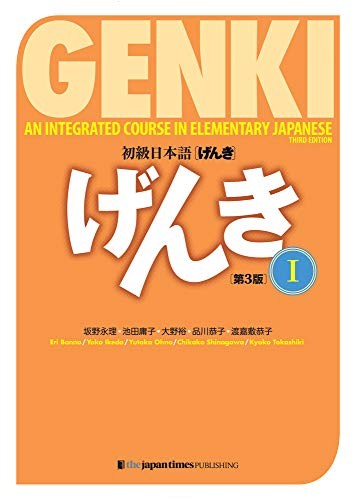
Genki I: An Integrated Course in Elementary Japanese
Eri Banno et al.
The gold standard textbook for beginner Japanese learners. Covers hiragana, katakana, basic kanji, grammar, and conversation skills.
Check Price on Amazon
Japanese from Zero! 1
George Trombley
A fun and innovative approach to learning Japanese. Progressively introduces hiragana while teaching practical conversation skills.
Check Price on Amazon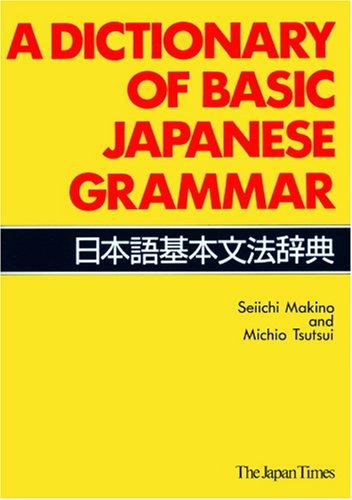
A Dictionary of Basic Japanese Grammar
Seiichi Makino & Michio Tsutsui
The essential reference for Japanese grammar. Clear explanations with abundant examples for every grammar point.
Check Price on AmazonAs an Amazon Associate, we earn from qualifying purchases.