Thanksgiving in Germany: Erntedankfest Explained (History, Traditions, Vocabulary)
By LangPodTools Team, Language Learning Content Specialist

If you have ever wondered whether Germany celebrates Thanksgiving, the answer is: sort of. Germany has Erntedankfest — a harvest thanksgiving festival with deep roots in Christian and agricultural tradition. It looks nothing like American Thanksgiving, and that is exactly what makes it fascinating for language learners.
This guide covers everything you need to know: what Erntedankfest is, how Germans celebrate it, the vocabulary you need, and how it compares to the American holiday. Whether you are studying German culture for class or planning an autumn trip, this is your starting point.
What Is Erntedankfest?
Erntedankfest (pronounced EHRN-tuh-dahnk-fest) literally translates to "harvest thanks festival." It is Germany's version of a harvest thanksgiving — a time to give thanks for the year's crops and food.
The word breaks down into three parts:
- Ernte — harvest
- Dank — thanks, gratitude
- Fest — festival, celebration
This is a classic German compound word. Once you recognize the building blocks, the meaning becomes transparent. For more examples of long German compounds, check our guide on the longest German words.
When Is Erntedankfest?
Erntedankfest falls on the first Sunday in October in most of Germany. The Protestant Church in Germany (EKD) and the German Bishops' Conference both recognize this date, though some rural communities celebrate on different Sundays in September or October.
Unlike American Thanksgiving, Erntedankfest is not a public holiday. Shops stay open (except on Sunday, as usual in Germany), and there is no day off work. It is primarily a church and community event.
Study Tip: The fact that Erntedankfest falls on a Sunday matters culturally. In Germany, Sundays are already rest days — shops close by law. This makes the festival feel natural rather than disruptive. For more on German public holidays and rest-day culture, see our German holidays guide.
How Germans Celebrate Erntedankfest
Erntedankfest is quieter and more local than American Thanksgiving. There are no massive parades or Black Friday sales. The celebration centers on churches, farms, and small-town community events.
Church Services and Altar Decorations
The heart of Erntedankfest is the Erntedankgottesdienst — the harvest thanksgiving church service. Churches are decorated with displays of fruits, vegetables, grains, and flowers arranged around the altar. These are called Erntegaben (harvest gifts).
After the service, the food is often donated to local charities or food banks. The act of sharing the harvest with those in need is a core part of the tradition.
Harvest Processions
In many rural areas, Erntedankfest includes a Festumzug (festival procession). Decorated wagons pulled by horses or tractors roll through the village streets. Community members dress in traditional clothing, and a Erntekrone (harvest crown) — a large crown woven from grain stalks — is carried or displayed prominently.
The Erntekrone is one of the most recognizable symbols of the festival. It takes hours of skilled handiwork to weave and is often presented to the local mayor or church leader.
Community Festivals
Smaller towns often hold a Dorffest (village festival) alongside the church service. These include:
- Live music and folk dancing
- Local food stalls with seasonal dishes
- Children's activities and games
- Farmers' markets with fresh produce
These events are excellent immersion opportunities for German learners. The conversations are casual, the vocabulary is practical, and the atmosphere is welcoming.
Study Tip: If you visit Germany in early October, search for "Erntedankfest" plus a city name to find local events. Small-town celebrations are the most authentic and the best for hearing everyday German. Browse our German episodes for podcast-based listening practice to prepare your ear.
Erntedankfest vs. American Thanksgiving
People often ask: does Germany celebrate Thanksgiving? The short answer is that Erntedankfest shares the spirit of gratitude but almost nothing else with the American holiday.
| Feature | Erntedankfest (Germany) | American Thanksgiving |
|---|---|---|
| Date | First Sunday in October | Fourth Thursday in November |
| Public holiday? | No | Yes (federal holiday) |
| Main focus | Religious service, harvest gratitude | Family gathering, historical event |
| Traditional food | No specific meal | Turkey, stuffing, pumpkin pie |
| Traditions | Church decorations, processions, Erntekrone | Parade, football, family dinner |
| Commercialization | Very low | High (Black Friday follows) |
| Origin | Medieval Christian harvest festivals | 1621 Pilgrim harvest celebration |
Key Differences
The biggest difference is scale. American Thanksgiving is a national event that dominates an entire week. Erntedankfest is a modest, local affair that many urban Germans barely notice.
There is no traditional Erntedankfest meal. Germans do not gather around a turkey dinner on this day. Families might enjoy a nice Sunday lunch with seasonal ingredients — Kürbissuppe (pumpkin soup), roasted root vegetables, or fresh bread — but there is no fixed menu.
The religious component is also much stronger in Germany. While American Thanksgiving has secular roots (the Pilgrim harvest story), Erntedankfest is explicitly a church festival. The gratitude is directed toward God for the harvest, not toward a historical event.
What They Share
Both holidays celebrate Dankbarkeit (gratitude). Both mark the autumn harvest season. And both offer a moment to pause and appreciate what the land provides. The universal human impulse to give thanks at harvest time connects these traditions across cultures.
Essential Erntedankfest Vocabulary
Here is the vocabulary you need to understand and discuss Erntedankfest confidently. All nouns include their articles — essential for German learners at any level.
Core Festival Words
| German | Article | English |
|---|---|---|
| Erntedankfest | das | Harvest Thanksgiving Festival |
| Ernte | die | harvest |
| Dankbarkeit | die | gratitude |
| Gottesdienst | der | church service |
| Erntekrone | die | harvest crown (woven from grain) |
| Erntegaben | die (pl.) | harvest gifts (altar offerings) |
| Festumzug | der | festival procession |
| Dorffest | das | village festival |
| Bauernhof | der | farm |
| Landwirt | der | farmer |
Harvest and Food Vocabulary
| German | Article | English |
|---|---|---|
| Kürbis | der | pumpkin |
| Getreide | das | grain, cereal |
| Weizen | der | wheat |
| Kartoffel | die | potato |
| Apfel | der | apple |
| Weintraube | die | grape |
| Sonnenblume | die | sunflower |
| Mais | der | corn, maize |
| Brot | das | bread |
| Kürbissuppe | die | pumpkin soup |
For more food vocabulary, see our complete guide to German food and drink.
Useful Phrases
Practice these phrases to talk about Erntedankfest:
- Frohes Erntedankfest! — Happy Harvest Festival!
- Wir sind dankbar für die Ernte. — We are grateful for the harvest.
- Die Kirche ist mit Obst und Gemüse geschmückt. — The church is decorated with fruits and vegetables.
- Der Festumzug geht durch das Dorf. — The procession goes through the village.
- Ich möchte die Erntekrone sehen. — I would like to see the harvest crown.
Study Tip: Create a flashcard deck with these words using our flashcard tool. Group them by category — festival words, food, and phrases — and review them before your next German lesson or podcast session.
The History of Erntedankfest
Harvest thanksgiving celebrations in the German-speaking world go back to pre-Christian times. Germanic tribes held autumn festivals to honor the earth and ensure good harvests in the coming year.
When Christianity spread through Central Europe, the church absorbed these traditions. By the medieval period, harvest thanksgiving services were common in churches across the Holy Roman Empire. The specific date varied by region — some celebrated after the grain harvest in August, others after the grape harvest in October.
The Modern Standard
In 1972, the German Bishops' Conference officially set Erntedankfest on the first Sunday in October for Catholic parishes. The Protestant Church followed a similar practice. Before this, dates varied widely, and some communities still maintain their own schedules.
The festival survived both World Wars and the division of Germany. In East Germany (DDR), the communist government tried to secularize harvest celebrations, but church-based Erntedankfest continued quietly. After reunification in 1990, traditional celebrations resumed openly in eastern states.
Regional Traditions Worth Knowing
Erntedankfest looks different depending on where you are in Germany.
Bavaria (Bayern)
Bavarian celebrations tend to be the most elaborate. Expect large processions with brass bands, horse-drawn wagons decorated with flowers, and traditional Trachten (folk costumes including Dirndl and Lederhosen). Many Bavarian towns combine Erntedankfest with their local Kirchweih (church anniversary fair).
Northern Germany
In the northern lowlands, celebrations are quieter and more church-focused. The Erntekrone tradition is particularly strong here — communities compete to create the most impressive crown. Some coastal and island communities incorporate fishing themes alongside agricultural ones.
Wine Regions (Rhineland, Palatinate, Baden)
In Germany's wine-growing regions, Erntedankfest overlaps with Weinfeste (wine festivals). The grape harvest (Weinlese) is a major event, and celebrations often include wine tastings, vineyard tours, and the crowning of a local Weinkönigin (wine queen).
These regional differences reflect the diversity of German culture — something you will also notice in dialects, holiday traditions, and everyday phrases as you study the language.
Erntedankfest for Language Learners: Why It Matters
Studying cultural festivals is one of the most effective ways to build vocabulary that sticks. Erntedankfest gives you:
- Practical nouns — food, nature, and community words you will use in everyday German
- Compound word practice — Erntedankfest, Erntekrone, Kürbissuppe, Sonnenblume — perfect for understanding how German builds long words
- Cultural context — knowing about Erntedankfest helps you understand German values around nature, community, and modesty
- Conversation starters — asking a German speaker about their Erntedankfest traditions is a natural, respectful way to practice
For more essential German words and cultural vocabulary, explore our full vocabulary guides.
Frequently Asked Questions
Conclusion
Erntedankfest is a window into a quieter, more reflective side of German culture. It will not give you a turkey dinner or a day off work, but it offers something valuable for language learners: authentic vocabulary, cultural depth, and a genuine tradition that connects you to how Germans relate to the land and to gratitude.
Start by learning the core vocabulary in this guide. Then, if you get the chance, attend a local celebration in early October — the experience will make every word unforgettable.
For your next cultural deep dive, explore our guides on Merry Christmas in German and German holidays, or practice seasonal vocabulary with our flashcard tool.
Frequently Asked Questions
Does Germany celebrate Thanksgiving?▾
When is German Thanksgiving (Erntedankfest)?▾
Is Erntedankfest a public holiday in Germany?▾
What do Germans eat on Erntedankfest?▾
What is an Erntekrone?▾
Recommended Study Material
The Complete German Grammar Cheat Sheet
A1–B2 Reference PDF
27 pages of color-coded tables, mnemonics, and shortcuts — every rule you need from Cases to Subjunctive.
Recommended German Books
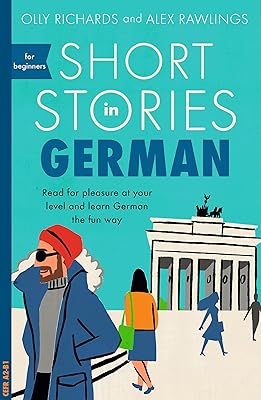
Short Stories in German for Beginners
Olly Richards
Learn German with 8 captivating stories. Perfect for A2-B1 learners who want to build vocabulary naturally.
Check Price on Amazon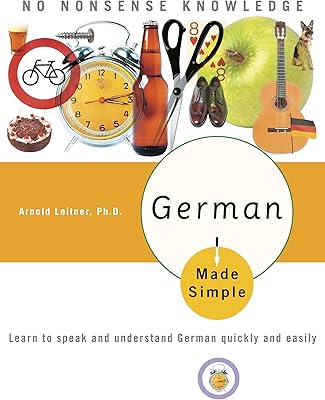
German Made Simple
Eugene Jackson
A complete beginner's guide covering grammar, vocabulary, and conversation essentials.
Check Price on Amazon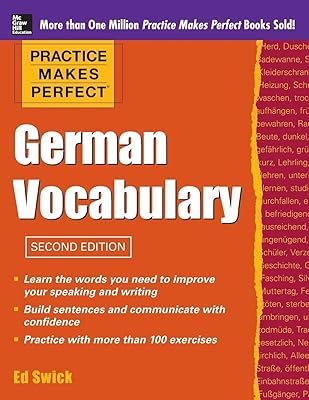
Practice Makes Perfect: German Vocabulary
Ed Swick
Targeted exercises and drills for mastering essential German words and phrases.
Check Price on AmazonAs an Amazon Associate, we earn from qualifying purchases.