German Holidays and Celebrations: Culture, Vocabulary, and Traditions
By LangPodTools Team, Language Learning Content Specialist

German holidays are more than just days off work. They are windows into the culture, values, and identity of German-speaking people. Learning the vocabulary around Feiertage (public holidays) will help you sound natural, understand native speakers, and connect on a deeper level.
Whether you are a beginner just starting with essential German words or an intermediate learner aiming for fluency, this guide gives you the vocabulary, traditions, and cultural context you need.
The 9 Nationwide German Public Holidays (Gesetzliche Feiertage)
Germany has 9 public holidays observed across all 16 federal states. These are called gesetzliche Feiertage — legally mandated days off. Shops close, public transport runs on a reduced schedule, and family gatherings take center stage.
Here is your essential list:
- Neujahr (New Year's Day) — January 1
- Karfreitag (Good Friday) — varies (March/April)
- Ostermontag (Easter Monday) — varies (March/April)
- Tag der Arbeit (Labour Day) — May 1
- Christi Himmelfahrt (Ascension Day) — 39 days after Easter
- Pfingstmontag (Whit Monday) — 50 days after Easter
- Tag der Deutschen Einheit (German Unity Day) — October 3
- Erster Weihnachtstag (Christmas Day) — December 25
- Zweiter Weihnachtstag (Boxing Day / Second Christmas Day) — December 26
Notice that Germany celebrates two Christmas days. This surprises many English speakers from North America. The second day is just as important as the first for family visits and festive meals.
Study Tip: Make flashcards for each holiday name using our flashcard tool. Pair each German name with its English equivalent and the date. Reviewing them once a week around the actual holiday dates will lock them into memory through real-world context.
Regional Holidays — Why Bavaria Gets More Days Off
Beyond the 9 nationwide holidays, each of Germany's 16 federal states (Bundesländer) can add its own public holidays. This is why a colleague in Munich might have a day off that your friend in Berlin does not.
Key Regional Holidays
- Heilige Drei Könige (Epiphany, January 6) — Bavaria, Baden-Württemberg, Saxony-Anhalt
- Fronleichnam (Corpus Christi) — Bavaria, Baden-Württemberg, NRW, Hesse, Rhineland-Palatinate, Saarland
- Mariä Himmelfahrt (Assumption of Mary, August 15) — Bavaria (in Catholic communities)
- Reformationstag (Reformation Day, October 31) — most eastern and northern states
- Allerheiligen (All Saints' Day, November 1) — Bavaria, Baden-Württemberg, NRW, Rhineland-Palatinate, Saarland
- Buß- und Bettag (Day of Repentance, November) — Saxony only
Bavaria (Bayern) consistently has the most public holidays of any German state — up to 13 in some areas. If you are traveling or doing business in Germany, always check the regional calendar.
Weihnachten — Christmas German Style
Weihnachten is the most important holiday season in Germany, and it comes with a rich vocabulary set that every learner should know.
Essential Christmas Vocabulary
- der Advent — Advent (the four weeks before Christmas)
- der Adventskalender — Advent calendar
- der Weihnachtsmarkt — Christmas market
- der Weihnachtsbaum — Christmas tree
- das Christkind — the Christ Child (gift-giver in southern Germany)
- der Nikolaus — St. Nicholas (December 6 gift tradition)
- der Heiligabend — Christmas Eve (December 24)
- das Weihnachtslied — Christmas carol
- das Plätzchen — Christmas cookie
- der Glühwein — mulled wine
In Germany, the main celebration happens on Heiligabend (Christmas Eve), not Christmas Day. Families gather, exchange gifts, and attend church services in the evening. Children receive presents from the Weihnachtsmann (Father Christmas) or the Christkind, depending on the region.
Weihnachtsmärkte are open throughout December in every German city and town. They are perfect real-world listening environments for language learners. The smells of Glühwein and gebrannte Mandeln (roasted almonds) will make the vocabulary unforgettable.
Study Tip: Listen to German Christmas podcasts or radio stations in December. DW (Deutsche Welle) produces seasonal content perfect for learners — check out DW Learn German for free audio and exercises tied to cultural events.
Ostern — Easter Traditions and Vocabulary
Ostern (Easter) is the second most important holiday in the German Christian calendar. Germany celebrates both Karfreitag (Good Friday) and Ostermontag (Easter Monday) as public holidays, giving most workers a four-day weekend.
Easter Vocabulary to Know
- das Osterei — Easter egg
- der Osterhase — Easter bunny
- das Osternest — Easter nest (hidden basket of treats)
- die Osterdekoration — Easter decorations
- Frohe Ostern! — Happy Easter!
The Osterhase hides painted eggs and small chocolates around the house or garden for children to find. This tradition is nearly identical to the English-speaking world, making it a great cultural bridge for learners.
One distinctly German Easter custom is the Osterfeuer — a large bonfire lit on Easter Saturday or Sunday. Communities gather around the flames to mark the end of winter. It is both pagan in origin and widely practiced today.
Karneval and Fasching — Germany's Wild Pre-Lent Party
Karneval (in the Rhineland) or Fasching (in Bavaria and Austria) is Germany's version of Mardi Gras. It runs from November 11th at 11:11 AM through Shrove Tuesday (Faschingsdienstag or Rosenmontag for the big parade days).
The Rhineland cities of Cologne (Köln), Düsseldorf, and Mainz host the most famous parades. Up to a million people line the streets of Cologne for the Rosenmontagszug (Rose Monday parade).
Karneval Vocabulary
- das Kostüm — costume
- die Maske — mask
- der Narr — jester / fool
- Helau! — Düsseldorf/Mainz Carnival cheer
- Alaaf! — Cologne Carnival cheer
- der Rosenmontagszug — Rose Monday parade
- Kamelle! — sweets thrown from parade floats
If you are learning German and want immersive listening practice, Karneval is one of the best times to watch German TV or YouTube streams. The humor, songs, and speeches are deeply embedded in regional German culture.
Silvester — New Year's Eve in Germany
Germans call New Year's Eve Silvester, named after Pope Sylvester I whose feast day falls on December 31. It is celebrated loudly — very loudly.
Fireworks are a massive part of Silvester in Germany. Private fireworks are legal and widely used, creating spectacular (and chaotic) displays across every neighborhood at midnight.
Useful New Year's Phrases
- Frohes Neues Jahr! — Happy New Year!
- Guten Rutsch! — Have a good slide (into the new year) — a uniquely German expression
- Prost Neujahr! — Cheers to the New Year!
- das Feuerwerk — fireworks
- der Sekt — German sparkling wine (used for toasting)
The phrase Guten Rutsch is one that catches English speakers off guard. It literally means "good slide" and comes from an old Yiddish expression meaning "good start." It is used in the days before New Year's Eve, not after midnight.
Study Tip: New Year phrases are a great entry point to understanding German greetings more broadly. After you learn these, explore our guide on how to say hello in German to build out your greeting vocabulary.
Oktoberfest — The World's Most Famous German Festival
Technically Oktoberfest is not a public holiday, but it is arguably Germany's most recognized cultural export. Held annually in Munich from late September through the first weekend of October, it draws over 6 million visitors each year.
Oktoberfest Vocabulary
- das Zelt — tent (the large beer halls)
- die Maß — one-liter beer mug
- die Dirndl — traditional women's dress
- die Lederhosen — traditional leather trousers
- Prost! — Cheers!
- das Hendl — roast chicken (Bavarian dialect)
- die Brezn — pretzel (Bavarian spelling)
For language learners, Oktoberfest is a crash course in Bavarian dialect. Standard German and Bavarian German differ significantly in pronunciation and vocabulary. Listening to Oktoberfest coverage is great ear training for regional variation.
Calendar and Month Vocabulary for Holiday Planning
To talk about holidays confidently, you need solid calendar vocabulary. Here is a quick reference:
- der Kalender — calendar
- der Feiertag — public holiday
- das Wochenende — weekend
- gesetzlicher Feiertag — statutory holiday
- Brückentag — bridge day (day between a holiday and weekend)
- der Urlaub — vacation / annual leave
Months in German (die Monate):
- Januar, Februar, März, April, Mai, Juni
- Juli, August, September, Oktober, November, Dezember
The months are easy wins for learners because they closely resemble English. Pair them with German numbers and you can give dates confidently.
Note the useful concept of Brückentag — a "bridge day." If a holiday falls on a Thursday, many Germans take Friday off too to create a four-day weekend. This cultural habit explains why offices can feel empty around certain holidays.
Holiday Greetings — What to Say and When
Knowing the right greeting for each occasion is a mark of genuine fluency. Here is your essential holiday phrases cheat sheet:
| Occasion | German Phrase | Literal Meaning |
|---|---|---|
| Christmas | Frohe Weihnachten! | Merry Christmas! |
| New Year | Frohes Neues Jahr! | Happy New Year! |
| New Year (before) | Guten Rutsch! | Good slide! |
| Easter | Frohe Ostern! | Happy Easter! |
| Birthday | Herzlichen Glückwunsch! | Heartfelt congratulations! |
| General holiday | Schöne Feiertage! | Happy holidays! |
| Cheers | Prost! / Zum Wohl! | Cheers! / To your health! |
For birthdays specifically, check out our dedicated guide on how to say Happy Birthday in German. And if you are wrapping up an evening celebration, our goodnight in German guide has the phrases you need.
Study Tip: The best way to internalize holiday vocabulary is to engage with German media during actual holidays. Follow German news podcasts, subscribe to German YouTube channels, and use apps like our flashcard tool to review seasonal vocabulary. For a full podcast-based learning strategy, read our guide on how to learn German with podcasts.
Cultural Differences Worth Knowing
German holiday culture has several features that surprise visitors from English-speaking countries:
- Everything closes on Sundays and holidays. German shops are closed on Sundays and all public holidays by law. Plan grocery shopping in advance.
- Quiet hours (Ruhezeit) are strictly observed. Loud noise — including vacuum cleaners and lawn mowers — is often restricted on Sundays and holidays. Respect this in residential areas.
- Christmas starts on December 25, not before. Advent is the preparation period. Playing Christmas music in October is considered strange by most Germans.
- Secular and religious holidays coexist comfortably. Even non-religious Germans celebrate Weihnachten and Ostern as cultural traditions focused on family and food.
- Regional identity is strong. A Bavarian celebrates differently from a Berliner. Ask locals about their specific traditions rather than assuming one German experience.
For a broader foundation in German language and culture, visit our German learning hub which covers everything from pronunciation basics to advanced listening strategies.
Recommended Tools for Learning Holiday Vocabulary
Holiday vocabulary is best learned in context — through stories, audio, and visual association. These resources will help you build a lasting vocabulary around German celebrations and culture.
Conclusion
German holidays offer a perfect window into the culture behind the language. From the cozy warmth of Weihnachtsmärkte to the wild energy of Karneval, each celebration comes with vocabulary, phrases, and traditions that will deepen your understanding of German-speaking people.
Start with the 9 nationwide holidays, layer in regional celebrations that interest you, and practice the greeting phrases until they feel natural. The vocabulary you learn here will come up again and again in conversations, podcasts, and real-world interactions.
For your next step, build a holiday vocabulary flashcard deck with our flashcard tool, or explore more German vocabulary foundations in our essential German words guide.
Frequently Asked Questions
How many public holidays does Germany have?▾
What is the difference between Karneval and Fasching?▾
Why do Germans say 'Guten Rutsch' for New Year?▾
When do Germans open Christmas presents?▾
Recommended Study Material
The Complete German Grammar Cheat Sheet
A1–B2 Reference PDF
27 pages of color-coded tables, mnemonics, and shortcuts — every rule you need from Cases to Subjunctive.
Recommended German Books
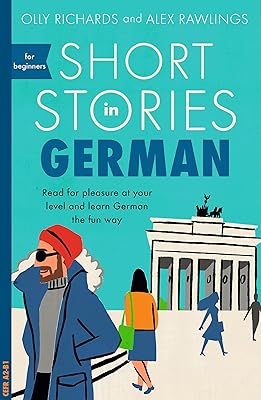
Short Stories in German for Beginners
Olly Richards
Learn German with 8 captivating stories. Perfect for A2-B1 learners who want to build vocabulary naturally.
Check Price on Amazon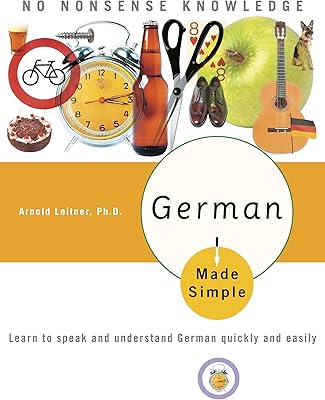
German Made Simple
Eugene Jackson
A complete beginner's guide covering grammar, vocabulary, and conversation essentials.
Check Price on Amazon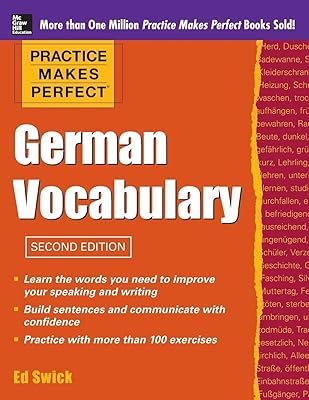
Practice Makes Perfect: German Vocabulary
Ed Swick
Targeted exercises and drills for mastering essential German words and phrases.
Check Price on AmazonAs an Amazon Associate, we earn from qualifying purchases.