How to Say Sorry in German: Apologies for Every Situation
By LangPodTools Team, Language Learning Content Specialist

Apologizing is one of the first social skills you need in any language. In German, there are several ways to say sorry — and picking the wrong one can make you sound either too dramatic or too casual. The good news: once you learn the main options, choosing the right apology becomes intuitive.
This guide covers every way to apologize in German, from quick "excuse me" moments to heartfelt "I'm truly sorry" situations. You will learn when to use each phrase, hear the pronunciation, and see real-world examples.
The Two Main Ways to Say Sorry in German
German has two core apology expressions that cover most situations. Think of them as your everyday tools.
Entschuldigung — Excuse Me / Sorry
Entschuldigung (pronounced ent-SHOOL-dee-goong) is the most versatile apology word in German. It works as both "excuse me" and "sorry" in casual situations.
Use Entschuldigung when you:
- Bump into someone on the street
- Need to get someone's attention
- Want to squeeze past people on a bus
- Interrupt a conversation
- Ask a stranger for directions
It is the Swiss Army knife of German apologies. When in doubt, Entschuldigung is almost always appropriate.
Example sentences:
- Entschuldigung, wo ist der Bahnhof? — Excuse me, where is the train station?
- Oh, Entschuldigung! — Oh, sorry! (after bumping into someone)
- Entschuldigung, darf ich vorbei? — Excuse me, may I get past?
Study Tip: Practice saying Entschuldigung until it rolls off your tongue. It is a long word, but Germans use it constantly. Break it into syllables: Ent-schul-di-gung. You will hear it dozens of times on any German street.
Es tut mir leid — I'm Sorry
Es tut mir leid (pronounced ess toot meer lyte) is the deeper apology. It literally translates to "it does me suffering" — meaning "it causes me pain." Use it when you genuinely regret something.
Use Es tut mir leid when you:
- Hear bad news and want to express sympathy
- Made a real mistake that affected someone
- Are late to a meeting or appointment
- Need to deliver disappointing news
- Want to express condolences
Example sentences:
- Es tut mir leid, dass ich zu spät bin. — I'm sorry that I'm late.
- Es tut mir wirklich leid. — I'm really sorry.
- Das tut mir leid zu hören. — I'm sorry to hear that.
The key difference: Entschuldigung is for light, everyday moments. Es tut mir leid carries emotional weight.
Formal vs. Informal Apologies
German's formal and informal registers affect how you apologize. Getting this right shows cultural awareness — something that impresses native speakers.
Formal Apologies (Sie-Form)
Use these with strangers, elders, colleagues, and anyone you would address with Sie. For more on when to use Sie vs. du, see our guide on you in German.
| German | English | When to Use |
|---|---|---|
| Entschuldigen Sie bitte | Please excuse me | Polite attention-getter |
| Ich bitte um Entschuldigung | I ask for your forgiveness | Formal written/spoken apology |
| Ich möchte mich entschuldigen | I would like to apologize | Professional contexts |
| Verzeihen Sie mir | Forgive me | Serious formal apology |
| Ich bedaure das sehr | I regret that very much | Business, official statements |
Informal Apologies (Du-Form)
Use these with friends, family, and people you address with du.
| German | English | When to Use |
|---|---|---|
| 'tschuldigung | Sorry (shortened) | Very casual, among friends |
| Sorry | Sorry (English loanword) | Common among younger Germans |
| Mein Fehler | My mistake / My bad | Admitting a specific error |
| Das wollte ich nicht | I didn't mean to do that | Accidental offense |
| Verzeih mir | Forgive me (informal) | Sincere personal apology |
Yes, Germans actually say "Sorry" — the English word — in casual conversation. It has been fully adopted into informal German, especially among younger speakers.
Study Tip: The shortened 'tschuldigung (dropping the "Ent-") is extremely common in spoken German. Listen for it in our German podcast episodes — you will hear it constantly in natural conversation.
Apologies by Situation
Knowing the right phrase for specific situations will make your apologies sound natural, not textbook.
Bumping Into Someone
- Oh, Entschuldigung! — Oh, sorry!
- Verzeihung! — Pardon! (slightly more formal)
- Hoppla, tut mir leid! — Oops, sorry!
Verzeihung is a useful alternative to Entschuldigung. It means "pardon" and works in exactly the same light situations. Some speakers prefer it because it is shorter.
Being Late
- Entschuldigung für die Verspätung. — Sorry for the delay.
- Es tut mir leid, dass ich zu spät komme. — I'm sorry I'm coming late.
- Tut mir leid, der Zug hatte Verspätung. — Sorry, the train was delayed.
Germans value punctuality (Pünktlichkeit). Being late is taken more seriously than in many cultures. A brief apology is expected, even for small delays.
At Work or in Professional Settings
- Ich entschuldige mich für den Fehler. — I apologize for the mistake.
- Das hätte nicht passieren dürfen. — That should not have happened.
- Ich werde dafür sorgen, dass es nicht wieder vorkommt. — I will make sure it doesn't happen again.
In German work culture, a good professional apology acknowledges the problem and states what you will do differently. Vague apologies without action are considered weak.
Expressing Sympathy or Condolences
- Das tut mir sehr leid. — I'm very sorry (to hear that).
- Mein herzliches Beileid. — My heartfelt condolences.
- Ich fühle mit dir / Ihnen. — I feel for you. (informal / formal)
Mein Beileid is the standard condolence phrase. It is short, respectful, and always appropriate when someone has experienced a loss.
When You Don't Understand
- Entschuldigung, können Sie das wiederholen? — Excuse me, can you repeat that? (formal)
- Entschuldigung, ich habe das nicht verstanden. — Sorry, I didn't understand that.
- Wie bitte? — Pardon? / Come again?
Wie bitte? is not technically an apology, but it functions as a polite "sorry, what?" in German. It is one of the most useful phrases for language learners. For more essential phrases like this, see our common German phrases guide.
The Verb "Sich Entschuldigen" — A Closer Look
The verb sich entschuldigen (to apologize) is a reflexive verb and one of the most useful in everyday German. Understanding its forms helps you build more sophisticated apologies.
Key forms:
- Ich entschuldige mich — I apologize
- Entschuldige! (informal command) — Sorry! / Excuse me!
- Entschuldigen Sie! (formal command) — Excuse me! (formal)
- Er hat sich entschuldigt — He apologized
- Sie sollten sich entschuldigen — You should apologize (formal)
The word Entschuldigung is actually the noun form of this verb. When you say "Entschuldigung!" you are essentially saying "Apology!" — a one-word request for forgiveness.
Breaking Down the Word
- Ent- — prefix meaning "un-" or "removal of"
- Schuld — guilt, fault
- -igung — noun suffix
So Entschuldigung literally means "de-guilting" — the removal of guilt. This etymology reflects how seriously German culture takes the concept of acknowledging fault.
Common Mistakes Learners Make
Avoid these errors when apologizing in German.
Mixing Up Entschuldigung and Es tut mir leid
Using Es tut mir leid when you bump into someone on the street sounds overly dramatic — like you just ran over their cat. Use Entschuldigung for minor things.
Conversely, using just Entschuldigung when you have genuinely hurt someone's feelings sounds dismissive. Match the weight of your apology to the situation.
Over-Apologizing
Germans tend to be more direct than English speakers. Saying sorry five times in a row (as is common in British English) can seem insincere or awkward in German. One clear apology is better than repeated vague ones.
Forgetting the Reflexive Pronoun
Saying "Ich entschuldige" instead of "Ich entschuldige mich" is a common grammatical error. The reflexive pronoun mich is required. Without it, the sentence is incomplete.
Study Tip: Record yourself saying each apology phrase and play it back. German pronunciation of "Entschuldigung" trips up many learners — the "sch" (sh sound) followed by "ld" requires practice. Use our flashcard tool to drill both pronunciation and context.
Quick Reference: German Apologies Cheat Sheet
| Situation | Best Phrase | Formality |
|---|---|---|
| Bumping into someone | Entschuldigung! | Neutral |
| Getting attention | Entschuldigen Sie bitte | Formal |
| Being late | Tut mir leid, dass ich zu spät bin | Neutral |
| Hearing bad news | Das tut mir leid | Neutral |
| Serious personal apology | Es tut mir wirklich leid | Sincere |
| Condolences | Mein herzliches Beileid | Formal |
| Professional mistake | Ich entschuldige mich für den Fehler | Formal |
| Casual among friends | Sorry or 'tschuldigung | Informal |
| Not understanding | Wie bitte? | Neutral |
Print this table or save it to your phone. It covers 90% of apology situations you will encounter.
Cultural Notes on Apologizing in Germany
Understanding the culture behind apologies helps you use them naturally.
Directness over politeness: Germans prefer a direct, honest apology over excessive politeness. "I made a mistake, here is how I will fix it" is valued more than "I'm so, so sorry" repeated three times.
Punctuality matters: Apologizing for being late is expected, even for 5 minutes. This is not just politeness — it shows respect for other people's time.
Written apologies carry weight: In professional contexts, a written apology (email or letter) is taken seriously. The phrase Ich bitte um Entschuldigung is the standard opening for formal written apologies.
Regional variation exists: In Austria, you might hear Pardon (borrowed from French) used casually. In Switzerland, Exgüsi (from French "excusez") is common in Swiss German dialect.
For more on German cultural communication patterns, explore our guide on how to say how are you in German — another phrase where cultural context changes everything.
Frequently Asked Questions
Conclusion
Mastering German apologies comes down to two core phrases: Entschuldigung for everyday moments and Es tut mir leid for genuine regret. Layer in the formal variants, situational phrases, and cultural awareness from this guide, and you will handle any apology situation with confidence.
The best way to internalize these phrases is to use them. Start with Entschuldigung — you will need it the next time you navigate a crowded German street, train, or shop.
For your next step, practice these phrases with our flashcard tool, or explore more everyday German in our guides on how to say no in German and common German phrases.
Frequently Asked Questions
What is the most common way to say sorry in German?▾
What is the difference between Entschuldigung and Es tut mir leid?▾
Do Germans actually say 'sorry' in English?▾
How do you formally apologize in German?▾
How do you say 'my condolences' in German?▾
Recommended Study Material
The Complete German Grammar Cheat Sheet
A1–B2 Reference PDF
27 pages of color-coded tables, mnemonics, and shortcuts — every rule you need from Cases to Subjunctive.
Recommended German Books

Short Stories in German for Beginners
Olly Richards
Learn German with 8 captivating stories. Perfect for A2-B1 learners who want to build vocabulary naturally.
Check Price on Amazon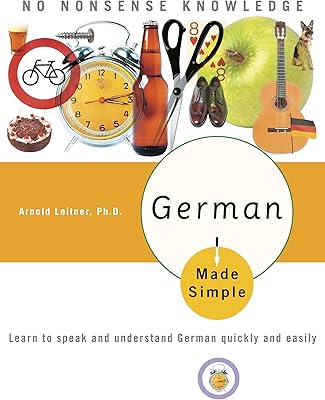
German Made Simple
Eugene Jackson
A complete beginner's guide covering grammar, vocabulary, and conversation essentials.
Check Price on Amazon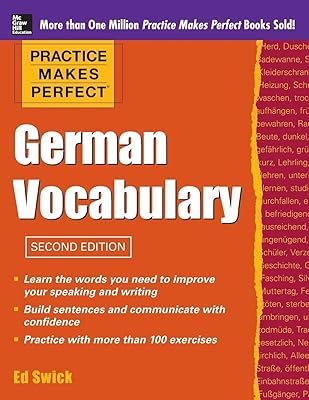
Practice Makes Perfect: German Vocabulary
Ed Swick
Targeted exercises and drills for mastering essential German words and phrases.
Check Price on AmazonAs an Amazon Associate, we earn from qualifying purchases.