#17"Met de auto" or "Op de fiets"? 🚗🚲 | Essential Dutch Transport (A1) #podcast#learndutch #learning
Welcome to Les 17 of our Beginner Dutch series! Today, we are learning a very important survival topic for your life in
📝 Transcript
Click any sentence to jump to that moment in the video. Use the 🔊 button to hear the pronunciation.
If you want to understand the deepest differences between two cultures, you shouldn't actually look at their politics.
You have to—uh, you have to look at their prepositions. Yes, at those little words indeed. Exactly. At those tiny little words we use for something as simple as—well, going to the supermarket.
Welcome to this new exploration. It's great to dive into it again. Definitely. Today we have a stack of sources in front of us that at first glance seem very—well, purely functional. It's a Dutch language lesson at A1 level.
The absolute starting point for newcomers, then. And the theme is transport. Which—uh, which is inevitable for any language method.
Yes, because when you're new somewhere, the first question is: how on earth do I get from A to B? Exactly. And we've had an overview of the basic words here, some grammar rules, a short story, and—uh, a translation exercise at the end.

📚 Recommended for this lesson
Short Stories in Dutch for Beginners
Enjoyed this episode? Continue reading with short stories designed for your level.
Check Price on AmazonEnjoying this lesson? Get free episodes every week!
📖 Vocabulary
Key vocabulary from this episode with part of speech, meaning, and example sentences. Practice along with the video above.
| Word | Type | Meaning | Example |
|---|---|---|---|
| het vervoer | Nomen (n.) | transport / transportation | Het vervoer in Nederland is goed geregeld. |
| de auto | Nomen (m.) | the car | Ik ga met de auto naar mijn werk. |
| de fiets | Nomen (m./v.) | the bicycle | Nederlanders gaan vaak op de fiets naar de stad. |
| de trein | Nomen (m.) | the train | De trein naar Amsterdam vertrekt om tien uur. |
| lopend | Bijwoord / Deelwoord | on foot / walking | De supermarkt is dichtbij, dus ik ga lopend. |
| het voorzetsel | Nomen (n.) | the preposition | In de zin 'op de fiets' is 'op' het voorzetsel. |
| gebruiken | Verb | to use | Welk vervoersmiddel gebruik jij het meest? |
| de supermarkt | Nomen (m.) | the supermarket | Ik moet naar de supermarkt voor melk en brood. |
| het park | Nomen (n.) | the park | Het is zonnig, laten we naar het park gaan. |
| het voertuig | Nomen (n.) | the vehicle | Een auto is een gemotoriseerd voertuig. |
✏️ Exercises
Test your understanding with fill-in-the-blank and multiple choice questions. Click "Check" to see the answer.
Ik ga ___ de auto naar kantoor.
Ga jij ___ de fiets naar school?
Het is maar vijf minuten lopen, dus ik ga ___.
Welk voorzetsel gebruik je voor de trein?
Wat is een 'gemotoriseerd voertuig'?
Hoe kom ik van A naar ___?
Anna is geschokt dat Lucas ___ de auto naar het park wil.
Waarom gebruik je 'op' voor een fiets?
Ik ___ de trein om naar Utrecht te reizen.
Wat is 'lopend' grammaticaal gezien?
📚 Recommended Study Materials
Short Stories in Dutch for Beginners
Olly Richards
Learn Dutch with 8 captivating stories. Perfect for A2-B1 learners who want to build vocabulary naturally through reading.
Check Price on Amazon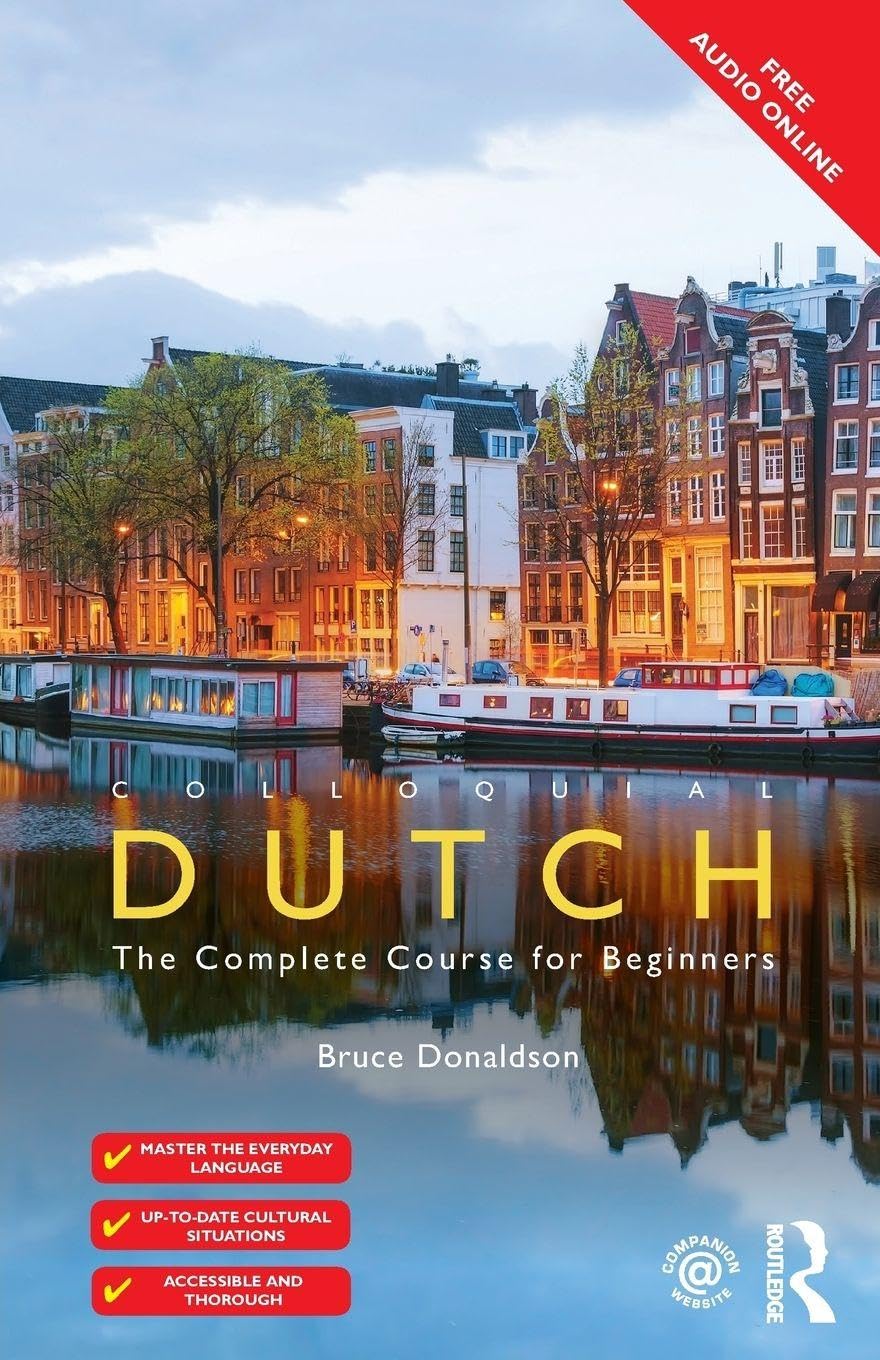
Colloquial Dutch
Bruce Donaldson
A complete language course for beginners. Covers all the essentials with audio support — perfect for self-study.
Check Price on Amazon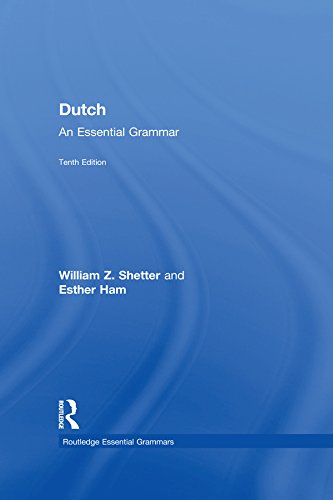
Dutch: An Essential Grammar
W. Z. Shetter & I. van der Cruysse-Van Antwerpen
Clear explanations of Dutch grammar rules from A1 to B2. The go-to reference for serious learners.
Check Price on Amazon
Comments