Mastering German Conjunctions & Prepositions: The Bridge to Fluency
Unlock the secrets of German sentence structure in this comprehensive guide to intermediate grammar. Learn verbs with prepositions, Akkusativ and Dativ, and fixed expressions.
📝 Transcript
Click any sentence to jump to that moment in the video. Use the 🔊 button to hear the pronunciation.
Hello and a warm welcome. Well, do you know this? You want to say 'waiting for the bus' and translate it very logically, but in German, you suddenly wait 'auf den Bus' and not 'für den Bus'. Strange, right? If you've ever wondered about this, then you're in the right place.
We're going to crack this exact puzzle today. Dealing with fixed prepositions.
Let's start right there, with this small but significant difference that often causes headaches. This is really a classic that trips many people up. But hey, don't worry, the principle behind it is actually totally logical once you've understood it.
So, look here, in English it's very clear: 'I wait for the bus.' If you translate that strictly word for word, you end up with 'Ich warte für den Bus.' Sounds logical, but it's wrong. The correct way is 'Ich warte auf den Bus.'
A completely different word. And then you ask yourself, why on earth is that? Yes, exactly. That's the million-euro question, isn't it? Why this difference? And more importantly, how are you supposed to know which word to use when? If you've asked yourself this before, and I bet you have, then you're absolutely not alone.
📚 Recommended for this lesson
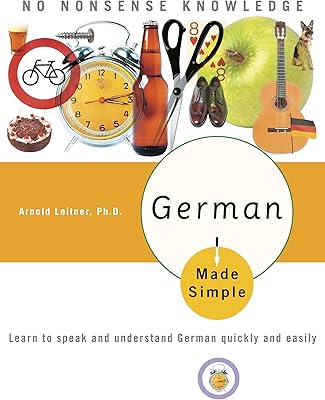
German Made Simple
Want to understand the grammar behind this episode? This all-in-one guide breaks it down.
Check Price on AmazonEnjoying this lesson? Get free episodes every week!
📖 Vocabulary
Key vocabulary from this episode with part of speech, meaning, and example sentences. Practice along with the video above.
| Word | Type | Meaning | Example |
|---|---|---|---|
| der Unterschied | Nomen (m.) | difference | Das ist ein kleiner Unterschied. |
| das Rätsel | Nomen (n.) | puzzle, riddle | Wir knacken das Rätsel. |
| die Präposition | Nomen (f.) | preposition | Auf ist eine Präposition. |
| das Verb | Nomen (n.) | verb | Warten ist ein Verb. |
| warten auf | Verb | to wait for | Ich warte auf den Bus. |
| denken an | Verb | to think of/about | Ich denke an dich. |
| träumen von | Verb | to dream of/about | Er träumt von einem Haus. |
| fest | Adjektiv | fixed, firm | Das ist ein fester Partner. |
| verstehen | Verb | to understand | Ich verstehe das Prinzip. |
| übersetzen | Verb | to translate | Man soll nicht Wort für Wort übersetzen. |
✏️ Exercises
Test your understanding with fill-in-the-blank and multiple choice questions. Click "Check" to see the answer.
Ich warte ___ den Bus.
Worüber denkst du nach?
Sie träumt ___ ihren Urlaub.
Er hat einen festen ___ mit seiner Freundin.
Kannst du mir das bitte ___?
Was ist der ___ zwischen 'warten für' und 'warten auf'?
Das ist ein kompliziertes ___.
Welches Wort passt hier nicht? Ich warte ___ dich.
Ich ___ an dich, wenn ich Musik höre.
Welche Präposition gehört zu 'träumen'?
📚 Recommended Study Materials
German Made Simple
Eugene Jackson
A complete beginner's guide covering grammar, vocabulary, and conversation essentials.
Check Price on Amazon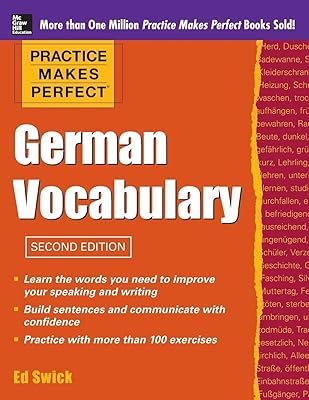
Practice Makes Perfect: German Vocabulary
Ed Swick
Targeted exercises and drills for mastering essential German words and phrases.
Check Price on Amazon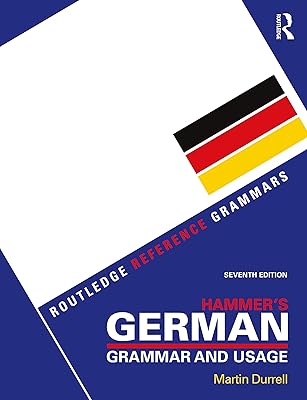
Hammer's German Grammar and Usage
Martin Durrell
The definitive reference grammar for serious learners. Covers all levels from A2 to C2.
Check Price on Amazon
Comments